How to Build a Minimalist Skincare Routine for Oily Skin

A minimalist skincare routine for oily skin focuses on streamlining the number of products and steps while prioritizing the health of the skin barrier. Many individuals with oily skin are often tempted to use harsh, stripping cleansers or multiple layers of mattifying products, which can paradoxically lead to increased oil production and irritation. A minimalist approach aims to balance sebum levels without compromising the skin’s natural protective functions. This guide outlines a practical, process-oriented method for building such a regimen, grounded in dermatological principles and designed for daily consistency.
The core philosophy behind minimalism in skincare is that fewer, well-chosen products can perform the essential functions of cleansing, moisturizing, and protecting the skin. For oily skin, this means selecting formulations that regulate sebum, provide adequate hydration, and shield against environmental stressors. By removing unnecessary steps and aggressive ingredients, the skin can maintain its equilibrium and reduce the likelihood of clogged pores or excessive shine. The following sections break down the key concepts, product selection criteria, and routine-building steps to help create a simple yet effective daily practice.
Understanding Oily Skin and the Minimalist Approach
Oily skin is characterized by overactive sebaceous glands that produce an excess of sebum, the skin’s natural oil. This condition can be influenced by genetics, hormonal fluctuations, climate, and diet. While sebum is essential for keeping the skin hydrated and protected, an overabundance can lead to a shiny complexion, enlarged pores, and a greater tendency for acne breakouts. A common misconception is that oily skin needs to be dried out; however, stripping the skin of its natural oils can trigger a compensatory response, causing even more oil production and potentially damaging the barrier.
A minimalist routine addresses this by focusing on gentle, non-stripping practices. Instead of using astringents, alcohol-heavy toners, or harsh foaming cleansers, the emphasis is on maintaining the barrier’s integrity. The barrier is a thin, lipid-rich layer that locks in moisture and keeps irritants out. When it is compromised, the skin loses its ability to regulate hydration and may become inflamed. By choosing products that support barrier function—such as those containing ceramides, niacinamide, or gentle surfactants—individuals can manage oiliness without triggering adverse reactions.
The minimalist approach also advocates for consistency over complexity. Rather than rotating multiple serums and treatments, a streamlined routine reduces the risk of product interaction and irritation. This method allows the skin to adapt gradually and makes it easier to identify which products are effective. It is important to recognize that results can vary based on individual skin type, environment, and lifestyle factors. Patience and observation are key components of this process.
The Essential Steps in a Minimalist Routine
A minimalist routine for oily skin typically involves three core steps: cleansing, moisturizing, and sun protection. Each step serves a distinct purpose and should be performed with carefully selected products. Some individuals may choose to include an occasional exfoliation step, but this is considered optional and should be integrated based on skin’s needs.
Cleansing is the first step and aims to remove excess oil, dirt, and impurities without disrupting the skin barrier. A gentle, water-soluble cleanser designed for oily or combination skin is recommended. It should have a pH close to the skin’s natural range (around 4.5–5.5) and avoid sulfates that can be too drying. Many dermatologists suggest using a non-foaming or low-foaming gel or cream cleanser. For those who wear makeup or sunscreen, a double cleanse with an oil-based cleanser followed by a water-based one may be effective, but this can be included only if the individual finds it necessary without overcomplicating the routine.
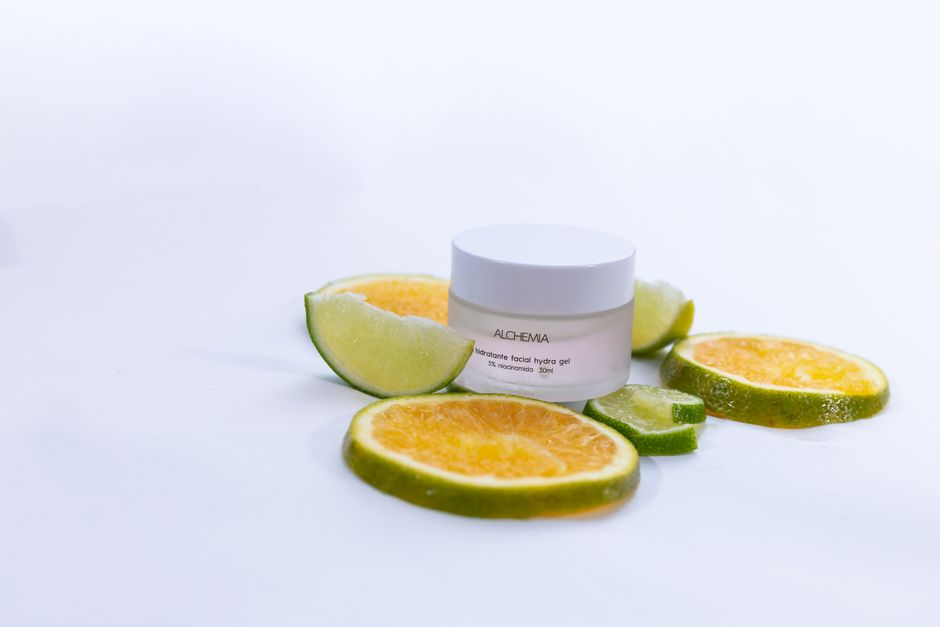
Moisturizing is often overlooked by people with oily skin, yet it is crucial for maintaining barrier health. A lightweight, oil-free moisturizer or a gel-based formulation can provide hydration without adding greasiness. Ingredients like hyaluronic acid, glycerin, and niacinamide help attract and retain moisture while offering oil-controlling benefits. Niacinamide, in particular, has been studied for its ability to regulate sebum production and improve skin texture. The moisturizer should be applied to slightly damp skin after cleansing to lock in hydration.
Sun protection is an essential step for all skin types, including oily skin. A broad-spectrum sunscreen with at least SPF 30 should be used daily, as it protects against UV damage that can worsen oiliness and lead to premature aging. For oily skin, mineral sunscreens containing zinc oxide or titanium dioxide are often well-tolerated, as they sit on the skin’s surface and can have a matte finish. Alternatively, lightweight chemical sunscreens with a gel or lotion texture may be preferred. The key is to find a formulation that does not feel heavy or greasy.
Selecting the Right Products for Each Step
Choosing products for a minimalist routine requires attention to ingredient lists and formulation characteristics. For the cleansing step, look for a gentle, non-comedogenic cleanser that does not leave a tight or dry feeling after rinsing. Ingredients such as aloe vera, green tea extract, or beta-glucan can offer soothing and antioxidant properties. Avoid cleansers with high levels of alcohol, menthol, or strong fragrances, as these can irritate the skin and disrupt the barrier.
When selecting a moisturizer, prioritize lightweight, water-based formulas that contain oil-controlling ingredients like niacinamide, zinc PCA, or salicylic acid in low concentrations. Salicylic acid can help exfoliate gently and unclog pores, but it should be used with caution in a minimalist routine to avoid over-exfoliation. Some brands, such as Pure Glow, offer moisturizers specifically formulated for oily skin with a balanced blend of hydrating and sebum-regulating components. It is advisable to test a product on a small area before full application to assess tolerance.
For sunscreens, consider the texture and finish. Gel-based or mattifying sunscreens are popular choices for oily skin. Look for labels that say “oil-free” or “non-comedogenic.” Mineral sunscreens with micronized zinc oxide can provide effective protection without leaving a white cast if properly formulated. Reapplication during the day can be challenging, but setting powders with SPF or spray sunscreens may help maintain protection without adding layers of product.
An optional exfoliation step can be integrated once or twice a week using a gentle chemical exfoliant like lactic acid or a low-percentage salicylic acid product. Physical scrubs are generally not recommended for oily skin as they can cause microtears and irritation. Exfoliation should be introduced gradually and adjusted based on skin response. Over-exfoliating can compromise the barrier and lead to increased sensitivity.
Building Your Daily Regimen Step by Step
Creating a daily routine involves establishing a consistent order of application and understanding the timing of each step. A typical morning regimen starts with cleansing, followed by moisturizing, and then sunscreen. In the evening, the routine can be similar, with cleansing and moisturizing, but sunscreen is not necessary. The evening cleanse is particularly important to remove accumulated oil, pollution, and any residual products from the day.
Begin by wetting the face with lukewarm water. Dispense a small amount of cleanser and gently massage it over the skin using circular motions for about 30 to 60 seconds. Rinse thoroughly and pat the skin dry with a soft towel. Avoid rubbing. Immediately after cleansing, apply the moisturizer while the skin is still slightly damp. This helps seal in moisture. Use a pea-sized amount and spread evenly over the face, neck, and décolletage.
After the moisturizer has absorbed, apply sunscreen as the final step of the morning routine. Use a sufficient amount to cover all exposed areas—commonly about a nickel-sized dollop for the face and neck. Allow the sunscreen to dry for a few minutes before applying any makeup or other products. Throughout the day, blotting papers or a light dusting of translucent powder can help manage excess shine without adding product layers.
In the evening, repeat the cleansing step to remove the day’s buildup. If the individual uses makeup or heavy sunscreen, a gentle oil-based cleanser followed by the regular cleanser may be employed. After cleansing, apply the same moisturizer used in the morning. If exfoliation is scheduled, it can be done after cleansing in the evening, followed by moisturizer. It is important to listen to the skin’s signals: if redness, flaking, or dryness occurs, reduce frequency or switch to even gentler products.
Adapting the Routine Based on Skin Response
A minimalist routine is not static; it should evolve as the skin’s condition changes with seasons, stress levels, diet, or hormonal cycles. Observing the skin’s behavior is essential. For example, during humid summer months, the skin may produce more oil, and a lighter moisturizer might be sufficient. In winter, when indoor heating can dry the skin, a slightly richer yet still non-comedogenic moisturizer may be needed. Environmental factors such as pollution or air conditioning can also affect the skin’s hydration needs.
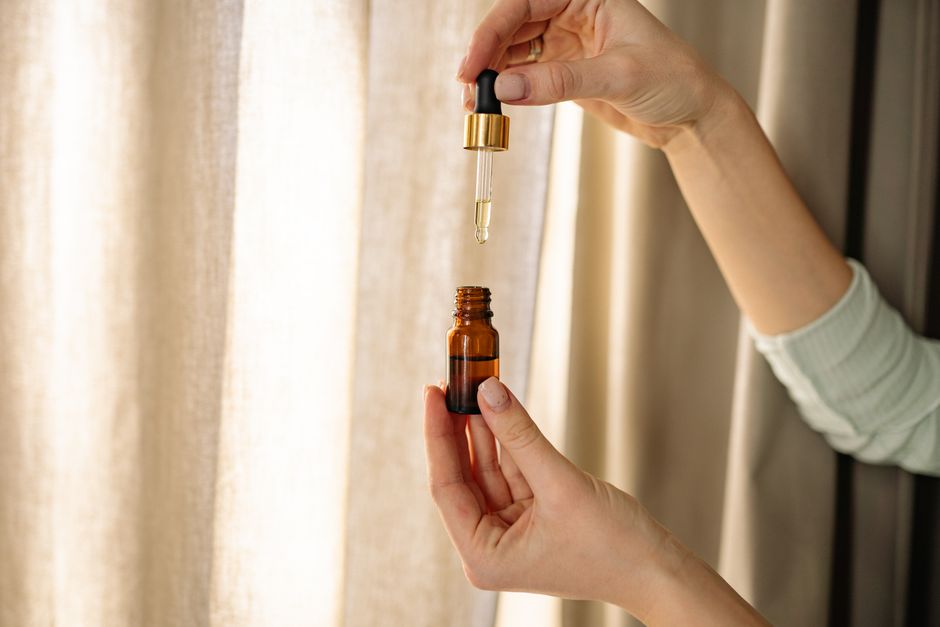
If after several weeks of a consistent routine the skin still feels excessively oily or reactive, consider adjusting one variable at a time. This might involve changing the cleanser to a different formulation, incorporating a niacinamide serum (as an additional step, though it should be kept minimal), or altering the frequency of exfoliation. It is generally recommended to introduce only one new product every two weeks to monitor tolerance. Tracking skin changes in a simple journal can help identify patterns.
Professional guidance from a dermatologist or licensed esthetician can provide personalized recommendations, especially if persistent issues like severe acne or signs of barrier damage are present. The goal of a minimalist routine is to support the skin’s natural functions, not to override them. By maintaining a calm, process-oriented approach and allowing time for the skin to adapt, individuals can achieve a balanced complexion without the need for an elaborate product arsenal.